
About the school
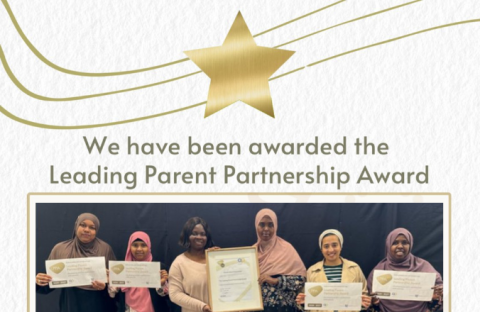
Princess May Primary School is a diverse and inclusive school in Hackney. The community includes a significant proportion of pupils who speak English as an additional language (EAL).
This poses unique challenges in terms of parent engagement. Historically, the school found it difficult to establish strong partnerships with parents due to language barriers and limited engagement with children’s learning. Recognising the research on the positive impact of parental engagement on children’s learning, they decided to work towards the Leading Parent Partnership Award (LPPA) to enhance and develop home-school relationships.
It required the school to review, develop, and implement a number of strategies and initiatives designed to support parents and enhance their engagement with the school.
Overcoming barriers: key initiatives
Commitment to the LPPA
One of the first steps was forming a LPPA working group. This included staff members from different roles within the school, ensuring the initiative had a strong foundation. The school shared its commitment to the LPPA with all stakeholders, including parents, staff, governors, and external partners, ensuring everyone was informed and involved from the outset. Regular updates on progress were shared through newsletters, staff meetings and social media.
Interactive parent workshops throughout the year
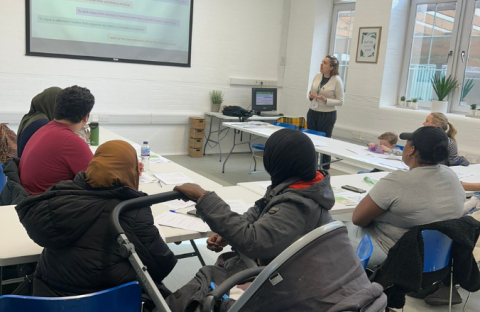
Instead of offering workshops at the beginning of the year, the school introduced interactive sessions throughout the school year, on a range of subjects. These workshops covered various subjects and helped parents understand how subjects are taught in a practical way, such as making playdough to show how they teach key maths skills in the EYFS. They aimed to make the sessions engaging, moving away from information-heavy presentations to a more hands-on approach that didn’t require too much talking, enabling all parents, but especially parents with EAL, to feel more confident supporting their children at home.
Clear and regular communication about pupils' learning
Communication with parents was identified as a key area for improvement. The school ensured that information about pupils’ learning and progress was shared regularly and in a clear, concise manner. Curriculum leaflets are shared with parents every half term and parents were invited to feedback on home learning through reading records and parent-teacher meetings, while tracking information and progress reports were made available to help parents stay informed about their child's development. This regular dialogue was essential in building trust and fostering a stronger connection between home and school.
Welcoming physical environment
The physical environment of the school was made more welcoming and accessible for parents. Ensuring the office, often the first place that parents see when entering the school, was a calm and inviting area. High-quality displays of pupils' work were placed throughout the school, celebrating their achievements and making parents feel proud. The school's vision and values are clearly displayed in key areas to remind parents of goals. Additionally, clear signage helped make the school easy to navigate for all visitors, including parents who might not be familiar with the site.
Improved induction process for all pupils
The induction process for new pupils was refined and a new policy was created to ensure a smooth and consistent transition for all families. Induction meetings are held throughout the year. This includes the teacher meeting the pupil before starting, timetables and key information is shared and a tour of the school. In the Early Years Foundation Stage (EYFS), this included home visits and individualised staggered starts, allowing children to settle in at their own pace.
The induction process was designed to support both the child and their family, making them feel welcomed and informed right from the start. The school ensured induction plans for SEND pupils was personalised. These plans included a gradual build-up of school attendance, home visits by key Learning Support Assistants (LSAs), and individualised support tailored to each child’s needs. This helped families feel reassured and supported during the transition period.
Behaviour system and parental involvement through Class Dojo
The school wanted parents to have daily updates on children’s behaviour, in particular the rewards they were receiving for good behaviour. Class Dojo, an online platform that encourages parents to engage with their child’s progress in real time was introduced. Parents could see rewards and recognition given to their children throughout the day, which promoted positive behaviour and reinforced home-school communication. Weekly postcards are now posted home to celebrate achievements of two children in each class per week.
Training and development for staff
It was ensured that all staff understood the importance of parent partnerships by incorporating it into staff training. New staff were briefed on the school's communication expectations during their induction, and the staff handbook emphasised the significance of working closely with parents. This culture of partnership-building became a key part of the school ethos.
Evaluating parental feedback
Regular evaluations were conducted to gather feedback from parents on school policies, communication, and their overall experience. Surveys, consultations, and feedback forms helped us understand parents' views, which were used to shape future developments. The school also made sure to act on this feedback and kept parents informed about any changes they implemented based on their suggestions.
Supporting parents’ own learning and participation
The school offer a range of learning opportunities for parents, from curriculum workshops to reading mornings, designed to support their child’s education. Additionally, courses to help parents develop their own skills such as ESOL language courses were promoted, and sessions where parents and children could learn together were made available, reinforcing a strong home-school partnership.
Key successes
Since embarking on the LPPA journey, the school has seen notable improvements:
- Increased Parental Engagement: The creation of a Parent, Teacher, and Friends Association (PTFA), regular events, and clear communication systems have significantly increased parent involvement.
- Effective Communication: Using a combination of texts, emails, and face-to-face meetings has ensured that communication is clear and accessible for all parents, particularly those with EAL.
- Welcoming School Environment: Clear signage, displayed pupils' work, and the calm, organised reception area makes parents feel more comfortable and connected to the school community.
Advice for other schools
For schools looking to improve parent engagement and achieve the LPPA award, Princess May Primary School recommends focusing on the following areas:
- Build a welcoming environment: Ensure your school is easy to navigate and celebrates pupils' achievements visibly. Display your vision and values where parents can see them.
- Keep communication clear and simple: Make sure information about pupils' progress and behaviour is concise and regularly shared. Use methods that are most effective for your community, like texts or emails.
- Engage parents throughout the year: Offer workshops and sessions year-round, not just at the start of the school year. These keep parents engaged and informed about their child’s learning.
- Personalise the Induction Process: Tailor induction plans for all pupils, particularly for SEND children, to ensure a smooth transition. Consider home visits and gradual integration as part of the process.
- Respond to feedback: Gather regular feedback from parents and act on their suggestions. Make sure to communicate any changes made as a result of their input.
By focusing on these strategies, schools can strengthen their partnerships with parents and create a more supportive, engaged school community.